PESHAWAR: Following a couple of days of sit-in demonstration in Peshawar, the Khyber Pakhtunkhwa (KP) government and protesting teachers reached a successful agreement on Friday, a private media channel reported.
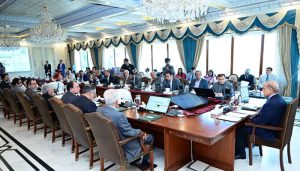
According to the reports, the provincial government has agreed to meet all of the teachers’ demands following the successful negotiations, and the formal announcement will be made at the teachers’ sit-in today.
Following the fruitful talks, primary teachers will announce the end of the strike and the opening of schools on Monday.
The accepted demands include the recruitment scale of primary teachers will be increased from 12 to 14. Similarly, the scale of the primary head teacher will be changed from 15 to 16.
The educational qualification for the recruitment of primary teachers on a scale 14 will be BS, BA, or BSc.
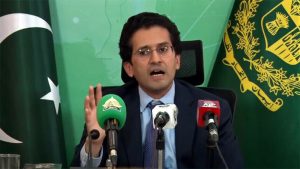
According to the Secretary of Education, additional expenses of Rs11 billion will be incurred on the upgradation of teachers. He further said that the provincial government will soon issue the notification to permanent 13 thousand teachers in the province.
After ending the sit-in today, Arbab Sher Ali will hold final talks with the provincial government on up-gradation next week, the sources said.
Primary school teachers from across the province have been protesting in Peshawar since November 5, demanding job upgrades, regularisation of 13,500 teachers, reinstatement of previously forced promotions, and several other benefits.
For that, the Khyber Pakhtunkhwa All-Primary Teachers Association (APTA) announced the closure of all 22,000 boys and girls primary schools across the province.
Earlier, the Deputy Director of Elementary and Secondary Education ordered concerned district education officers to immediately suspend all absent primary school teachers involved in a recent protest across the province.
The education department ordered all DEOs to collect data on “protesting teachers due to whom schools have been closed since November 5 and immediately suspend them to resume educational activities in all schools.”