KARACHI: Lieutenant General (retd) Inam Haider Malik, Chairman of the National Disaster Management Authority (NDMA), has said that the monsoon this year is going to be of higher–than–average precipitation, possibly before the normal period, likely the last few days of June (on June 26 or 27).
The Monsoons usually last from July until the middle of September, but the higher average precipitation includes beginning a few days early this year.
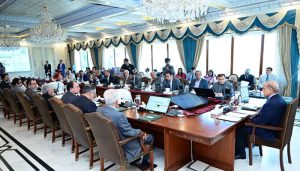
He was speaking in a briefing to the Senate Standing Committee on Climate Change, chaired by Senator Sherry Rehman, at the NDMA headquarters.
During the course of the briefing, the NDMA officials described Northern and Eastern Punjab must likely to receive the highest precipitation (due to melting glaciers and rises of water level in rivers), which could cause local flooding, around areas of water gatherings (in the extreme northern part of the country).
They pointed out areas like Dera Ghazi Khan (and Rajanpur) will likely have higher–than–average direct rainfall. NDMA officials said the average annual precipitation to date for Punjab is about 344 millimeters; that is possible to be about 388 millimeters this year.
In Northeastern Punjab, consider 50 percent higher normal precipitation, with Southern Punjab to also track above normal. In Khyber Pakhtunkhwa (KP), the precipitation levels in the north will be lower, but around southern KP, expect normal – and possibly higher levels. In glacier-heavy areas like Chitral, the weather will remain dry or will receive rain than average.