ISLAMABAD: The Islamabad Capital Territory (ICT) Administration has launched a clean drinking water program for the rural areas of the capital with the installation of three new solar-powered water filtration plants to prevent waterborne diseases in communities with limited or no access to a clean water supply.
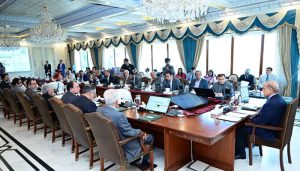
One of the filtration plants has been opened in Sangjani by the Additional Deputy Commissioner (East), Islamabad, and the World Health Organization Country Representative for Pakistan.
This plant is one of three constructed as a result of collaboration between the DC Office, the Government of Canada, and the WHO. The new filtration system in Sangjani will be able to serve over 23,000 people, with residents from the Sangjani community as well as Afghan refugees calling Sangjani home.
The facility is powered through solar energy, which guarantees a continuous supply of filtered drinking water in remote locations with uncertain power supply.
The use of solar technology also provides the complete benefits of sustainability and significantly reduces the cost of operation of the facility. The filtration plants are going to work every day, so community members can go to the facility to get clean water whenever they need to throughout the day.
The facilities are an excellent improvement for previously disadvantaged communities that relied on unsafe/disadvantaged water for long periods and had significant water-related health problems.
At the event, officials noted the important connection between clean water and health, stressing that better water quality is key to disease prevention, especially for those who are vulnerable to unsafe water, and many children.
Community members embraced the development, hoping for health improvements and relief from the daily burdens of unsafe water.
The DC Office reaffirmed its commitment to expanding this program into other underserved neighborhoods of Islamabad, aligned with providing better infrastructure and quality of life in rural areas.